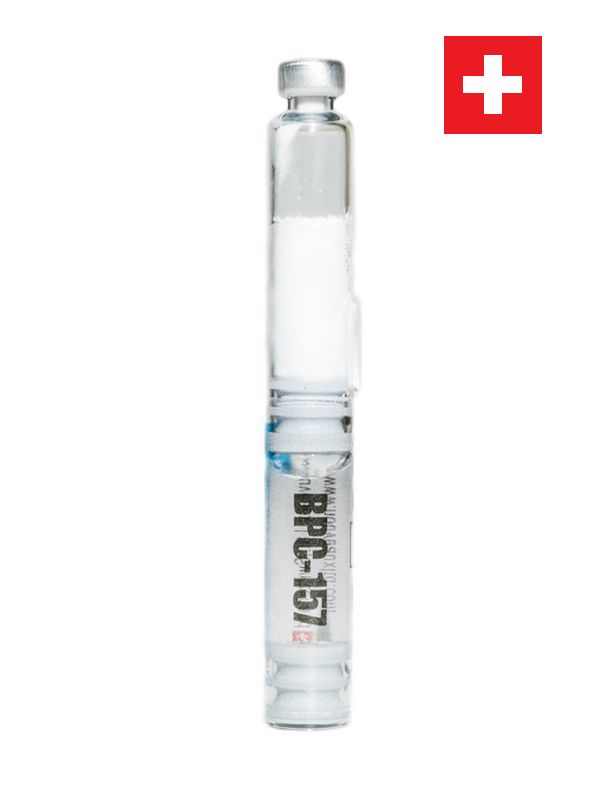
BPC-157 peptide has the power to promote effective tendon-to-bone healing and superior healing of damaged ligaments. In addition, BPC 157 seems to protect organs and to prevent ulcers of the stomach.
Storage
This product can be used not more than 3 years from the production date (see box).
After reconstitution, may be stored for a maximum of 14 days in a refrigerator at 2°C – 8°C.
Store vials in an upright position.
Store in a refrigerator (2°C – 8°C). Keep in the outer carton in order to protect from light.
BPC-157 is a synthetic peptide consisting of 15 amino acids. It is derived from a sequence associated with body protection compound (BPC) and has primarily been investigated in preclinical research, particularly studies involving the gastrointestinal system and tissue repair. Nouveaux Denmark
Research focus: Gastrointestinal function, tissue protection, angiogenesis, and inflammatory processes.
Endothelial research: Studies have examined its potential effects on the endothelium, the cell layer lining blood vessels.
Angiogenesis: Preclinical research has investigated its relationship with the formation of new blood vessels.
Inflammation: Animal studies have reported potential anti-inflammatory activity.
Research status: Most evidence for BPC-157 comes from laboratory and animal studies, and its effects in humans are not well established.
Physical form: Commonly supplied as a white, lyophilized powder.
Storage: Storage requirements depend on the manufacturer’s specifications. Follow the product documentation and do not assume that research-product storage or reconstitution instructions are suitable for human use.
Important: BPC-157 is a research compound and should not be presented as an established treatment for digestive problems, injuries, inflammation, or other medical conditions.
Mechanism of action
BPC-157 is an experimental pentadecapeptide that has been investigated mainly in animal and laboratory studies. Research has explored its potential role in tissue repair, gastrointestinal protection, and inflammatory processes.
Muscle and tendon research: Animal studies have examined its effects on healing in injured muscle, Achilles tendons, ligaments, and tendon-to-bone interfaces.
Wound healing: Preclinical research has investigated its effects on skin and other damaged tissues, including experimental burn models.
Gastrointestinal research: Studies have explored its potential protective effects on the stomach and gastrointestinal tract, including experimental ulcer models.
Liver research: Animal research has also examined BPC-157 in models involving liver injury.
Pain and inflammation: Preclinical findings suggest possible effects on inflammatory responses and discomfort associated with tissue injury.
Organ protection: Researchers have investigated whether BPC-157 can influence protective mechanisms in different organs and tissues.
Mechanism of action: BPC-157 has been studied in relation to the body’s peptidergic defense systems and pathways involved in blood-vessel formation and tissue repair.
Human evidence: Claims of proven healing, safety, or absence of side effects in humans are not established by the available preclinical evidence. BPC-157 remains an experimental compound and should not be described as an approved regenerative treatment.
Dosage
Recommended dosage of BPC-157: 200 mcg once per day for healing purposes. Between 400-1.000 mcg, divided in two doses per day if issue is more severe.

Reviews
There are no reviews yet.